

The Future of Fashion in Digital Industries: What Designers Can Learn from Online Casinos
The intersection of fashion and technology has moved far beyond simple e-commerce storefronts. Today, we are witnessing a convergence where digital aesthetics, user psychology, and virtual luxury are redefining how we perceive style. In the high-stakes world of digital engagement, modern fashion houses are increasingly looking at diverse digital ecosystems for inspiration. Much like the way a high roller casino creates an atmosphere of exclusive prestige and immersive excitement through meticulous UI/UX design, fashion designers are learning that the future of their industry lies in the “experience” as much as the garment.
Gamification and the “Drop” Culture
One of the most profound lessons the fashion world has taken from the gaming and digital entertainment sectors is the concept of gamification. The “drop” model—where limited-edition items are released at specific times—mimics the adrenaline and scarcity found in digital environments. This creates a psychological loop of anticipation and reward that is central to modern consumer behavior.
Fashion designers are now building “digital journeys” for their customers. Purchasing a jacket is no longer a simple transaction; it is often preceded by interactive teasers, virtual waiting rooms, and digital puzzles. This approach turns the act of shopping into a game, increasing the perceived value of the product and fostering a deeper emotional connection with the brand.
Virtual Goods and the Rise of “Skins”
The rise of the Metaverse and digital-only clothing has fundamentally changed the production cycle. Designers are no longer limited by the laws of physics or the cost of textiles. In the digital realm, a dress can be made of liquid gold or shifting shadows. This has birthed a new category of “skin” fashion, where users pay significant sums for virtual outfits to wear in social spaces or games.
This shift offers several advantages for the industry:
- Zero Waste: Digital fashion eliminates the environmental toll of physical manufacturing and shipping.
- Infinite Scalability: A digital asset can be sold to a million people without any increase in production costs.
- Creative Freedom: Designers can experiment with silhouettes and materials that would be impossible to wear in the real world.
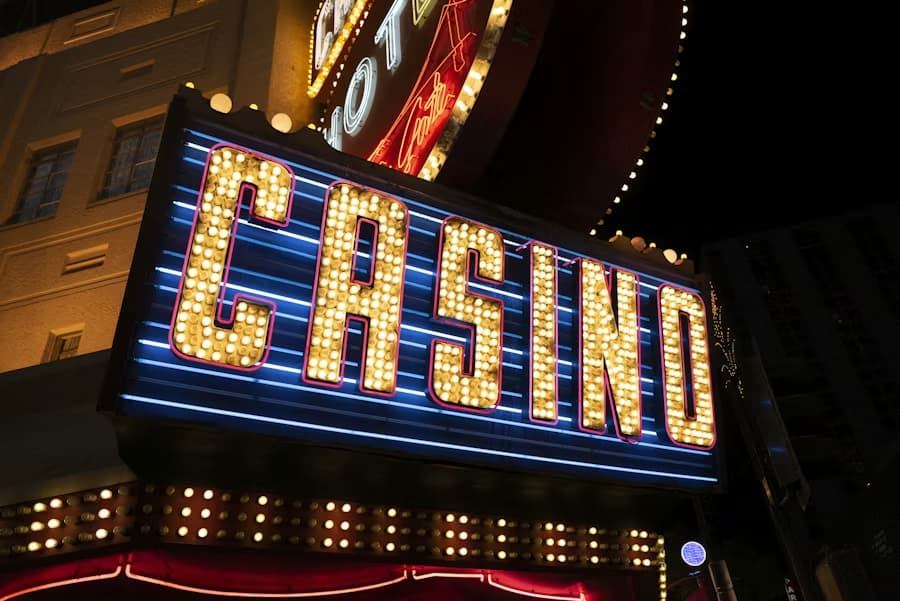
The Psychology of VIP Environments
Digital industries excel at creating tiers of access. Whether it is a premium membership or an exclusive digital lounge, the feeling of “being on the inside” is a powerful motivator. Fashion is adopting this by creating gated digital communities where only owners of specific NFTs (Non-Fungible Tokens) or high-spending clients can view upcoming collections or participate in private virtual events.
The digital architecture of these spaces is designed to evoke luxury and status. Designers are learning that the “background” of their digital presentation—the lighting, the soundscape, and the interface—is just as important as the clothing itself. If the digital environment doesn’t feel premium, the product, no matter how well-designed, will fail to command a luxury price point.
Comparative Elements of Engagement: Fashion vs. Digital Platforms
| Strategy | Fashion Implementation | Digital Platform Equivalent |
| Scarcity | Limited edition drops | Exclusive VIP rooms / Tournaments |
| Personalization | Tailored digital avatars | Custom UI and user profiles |
| Reward Systems | Loyalty points / Early access | Bonuses and tiered memberships |
| Visual Fidelity | 4K 3D renders of fabrics | Immersive 3D environments |
Data-Driven Design and Predictive Trends
In the past, fashion trends were dictated by a small group of editors and designers in Paris or Milan. Today, data is the new creative director. Digital platforms track every click, hover, and “like,” providing a real-time map of consumer desires. By analyzing this data, designers can predict which colors or styles will trend months before they hit the market.
This data-driven approach allows for “on-demand” fashion. Instead of producing thousands of units and hoping they sell, brands can test digital versions of designs first. Only the styles that generate high engagement in the digital space are then moved into physical production. This hybrid model significantly reduces risk and aligns production with actual human demand.
Sustainability Through Virtual Prototyping
The future of fashion is inextricably linked to sustainability. Digital industries provide the tools to make the fashion cycle much leaner. Virtual prototyping allows designers to see how a fabric drapes and moves on a 3D model with incredible accuracy. This means that instead of sewing ten physical samples, a studio might only need to create one.
Furthermore, the “try-on” culture is being revolutionized by Augmented Reality (AR). Customers can now use their phone cameras to see how a pair of shoes or a watch looks on them in real-time. By providing this digital “proof of concept,” brands can reduce the high rate of returns, which is one of the biggest contributors to the industry’s carbon footprint.
Conclusion: A New Hybrid Reality
The fashion industry is no longer a standalone sector; it is a vital part of the digital entertainment complex. As designers continue to learn from the psychological triggers, immersive environments, and data-gathering techniques of online digital platforms, the line between the physical and the virtual will continue to blur.
We are entering an era where our “digital self” is just as important as our physical self. The future of fashion lies in serving both of these identities with equal creativity and technical precision. By embracing the lessons of the digital frontier, designers can create a more sustainable, inclusive, and thrilling world of style.