
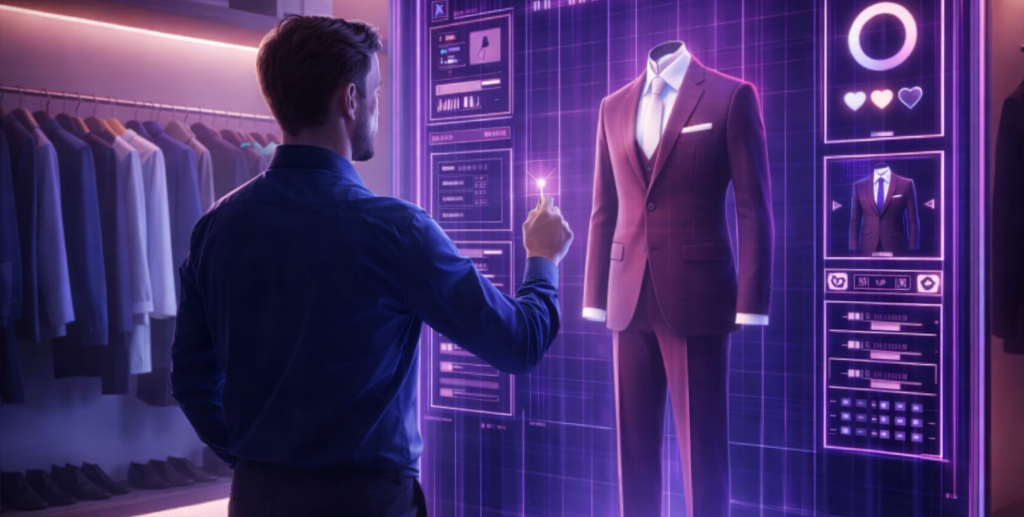
AI (Artificial Intelligence) in Fashion: Good or Bad?
While some people worry that machines could replace human creativity, many designers see AI differently.
AI Fashion — Flawless, But Empty, Unless Used Right
Artificial intelligence can now generate perfect fashion images in seconds. Models never blink. The lighting is flawless. The clothes look expensive. But something is missing — the human touch that makes fashion feel real.
Fashion is deeply connected to human creativity and artistic expression. If too much of the creative process becomes automated, some consumers may feel that a brand loses its originality. Authenticity is one of the biggest concerns. But if AI generates marketing visuals with careful oversight, it can help brands become faster and more efficient.
Let’s Look at Gucci Case
Recently, Gucci stirred strong reactions online. The brand posted a series of unusual images on its Instagram account. Alongside real historical photographs — such as Sophia Loren leaving a Gucci boutique in 1966 and Michelangelo’s David — appeared strange scenes of luxury and wealth. One image showed an elegant Italian woman in Gucci accessories walking through a restaurant while other guests stared. Another featured a flashy couple posing on a muscle car in what looked like a dramatic 1980s setting.
At first, no one knew where the images came from. Later, Gucci added a tag explaining that the pictures had been generated using artificial intelligence. The reaction was immediate. Some people praised the creative experiment, while others were shocked that a luxury fashion house would rely on AI-generated visuals.
Demna, the new creative director of Gucci, reacted: “I don’t think so. I think this is 2026. I’m using things as a tool,” he explained. “If I can use it to do something that gives me a quick idea or visualization of something, why shouldn’t I do it? It’s like when retailers refused e-commerce in 2008 because they thought it wasn’t quality. I find it ridiculous.”
AI — A Tool, Not the Designer
One of the most exciting uses of AI in fashion is in the design process itself. Instead of replacing designers, you can use software as your creative partner.
It can generate mood boards, visualize clothing ideas, or explore multiple variations of a concept within seconds.
By writing a prompt — such as “futuristic streetwear inspired by 1990s Tokyo fashion” or “minimalist couture gown inspired by desert landscapes” — AI tools can create visual sketches that help designers explore new directions.
This process does not replace artistic vision. Instead, it accelerates it. Designers can quickly test ideas, compare variations, and refine their concepts before moving into the real production stage.
AI can also analyze historical design archives. By studying decades of past collections, it can suggest new variations that remain consistent with a brand’s identity. This allows designers to combine heritage with innovation, ensuring that new collections stay true to a brand’s DNA while still feeling modern.
In this sense, AI functions like a creative sparring partner — something that challenges ideas and helps designers think differently.
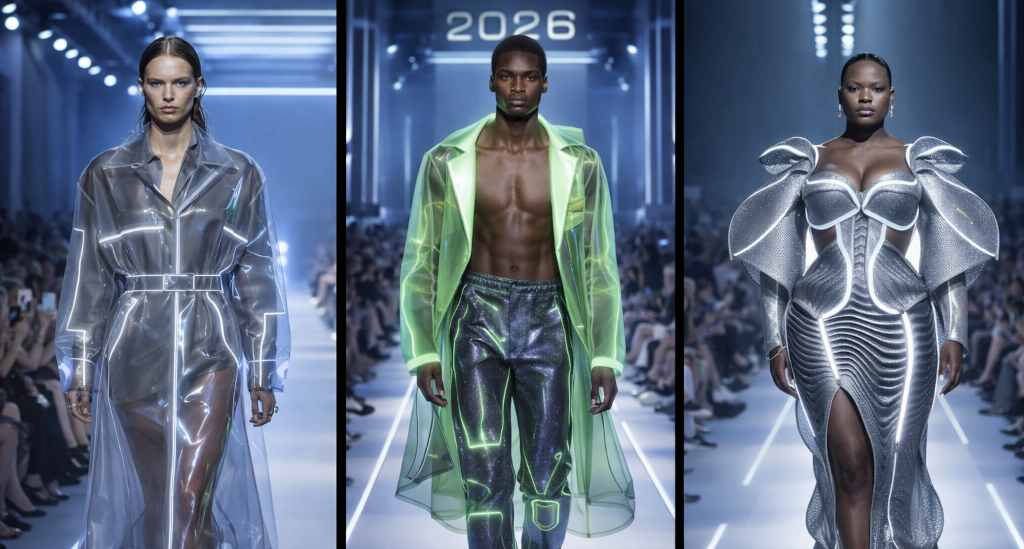
What Fashion Designers Can Do With AI
- Generate quick visualizations of clothing concepts
- Create mood boards and color palette ideas
- Produce images for marketing or social media campaigns
- Design virtual lookbooks or digital fashion shows
- Explore styling combinations for outfits
For independent designers or small brands, this can be especially powerful. AI tools allow them to create professional-looking content for Instagram, websites, and advertisements without the need for expensive photoshoots.
AI in Fashion Operations
AI is also transforming the operational side of fashion.
Fashion companies often struggle with unpredictable demand, overproduction, and waste. AI-driven systems can analyze data from sales, trends, and consumer behavior to help brands predict what customers actually want.
This allows companies to produce clothing more efficiently and avoid making too many unsold products.
AI also improves manufacturing processes.
For instance, smart cutting machines powered by AI can optimize fabric use, reducing leftover scraps. This not only saves money but also reduces environmental impact.
Inventory management is another area where AI plays an important role. By predicting demand more accurately, brands can ensure that stores have the right products at the right time.
Sustainability and Transparency
The fashion industry faces growing pressure to become more sustainable. AI can help by making supply chains more transparent and efficient.
Advanced AI systems can track materials from the very beginning of production — from the original textile fiber all the way to the finished garment. This type of traceability helps brands verify where materials come from and how they were processed.
Such information will soon become essential. New regulations like the Digital Product Passport (DPP) will require companies to collect and share detailed information about the life cycle of their products.
With reliable data, brands can prove that their products meet environmental and ethical standards.
However, there is also an important contradiction. The United Nations Environment Assembly has raised concerns about the environmental footprint of AI itself. Training and operating large AI systems requires energy and computing resources.
In other words, while AI can help reduce waste in fashion, it also consumes resources. The challenge for the industry is to ensure that the overall environmental benefits outweigh the costs.
In Conclusion
AI can make fashion faster, cheaper, and more efficient. But fashion has never been just about efficiency. It is about imagination, risk, and human identity. If brands rely too heavily on algorithms, the result may look flawless — but feel strangely empty.